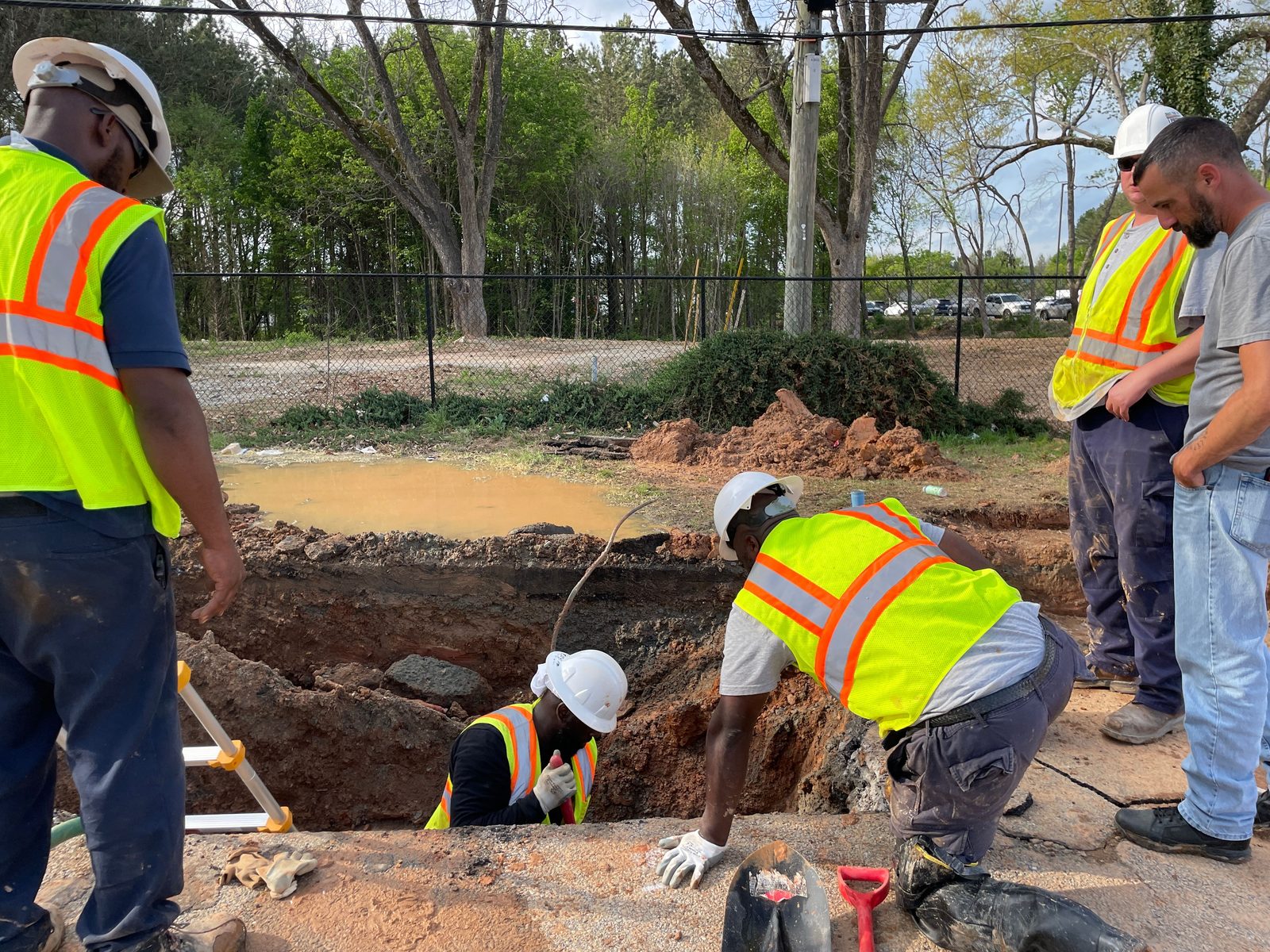
Reactive maintenance feels cheaper because the cost appears only when something goes wrong. But the invoice is rarely the full cost.
When drainage infrastructure fails, the impact can extend to emergency callouts, operational disruption, damaged assets, tenant complaints, access restrictions and repeated repair work.
1. The Reactive Cycle
This cycle can continue for years.
2. The Cost Isn't Just the Repair
Consider a blocked drainage point. The immediate cost might be emergency clearing. But the wider impact could include:
- staff mobilisation and contractor premiums
- disrupted access and tenant complaints
- damaged landscaping and water intrusion
- equipment exposure and management time
FlowGuard Insight: The actual cost of failure is much larger than the maintenance invoice.
3. Preventive Maintenance Changes the Equation
Planned maintenance allows teams to:
- prioritise high-risk infrastructure
- schedule work before critical periods
- identify recurring problems and document infrastructure history
- compare maintenance frequency with incidents
- allocate budgets more intelligently
The objective isn't to maintain everything equally. It is to maintain the right infrastructure at the right time.
4. The Value of Knowing What Is Changing
Continuous monitoring adds another layer. If a drainage point is repeatedly approaching high water levels, or a location consistently shows abnormal behaviour, the team has a reason to investigate before the next failure. That changes maintenance from:
FlowGuard combines infrastructure monitoring, climate intelligence and managed operations to help property teams identify risk and act earlier.