FlowGuard Solutions delivers comprehensive, data-driven flood management systems — combining preventive maintenance, modern technology, and year-round operations to protect communities across Nigeria.
The Agungi Flood Resilience Initiative demonstrates our integrated approach to solving recurring urban flooding through systematic drainage management, advanced monitoring, and continuous operations.
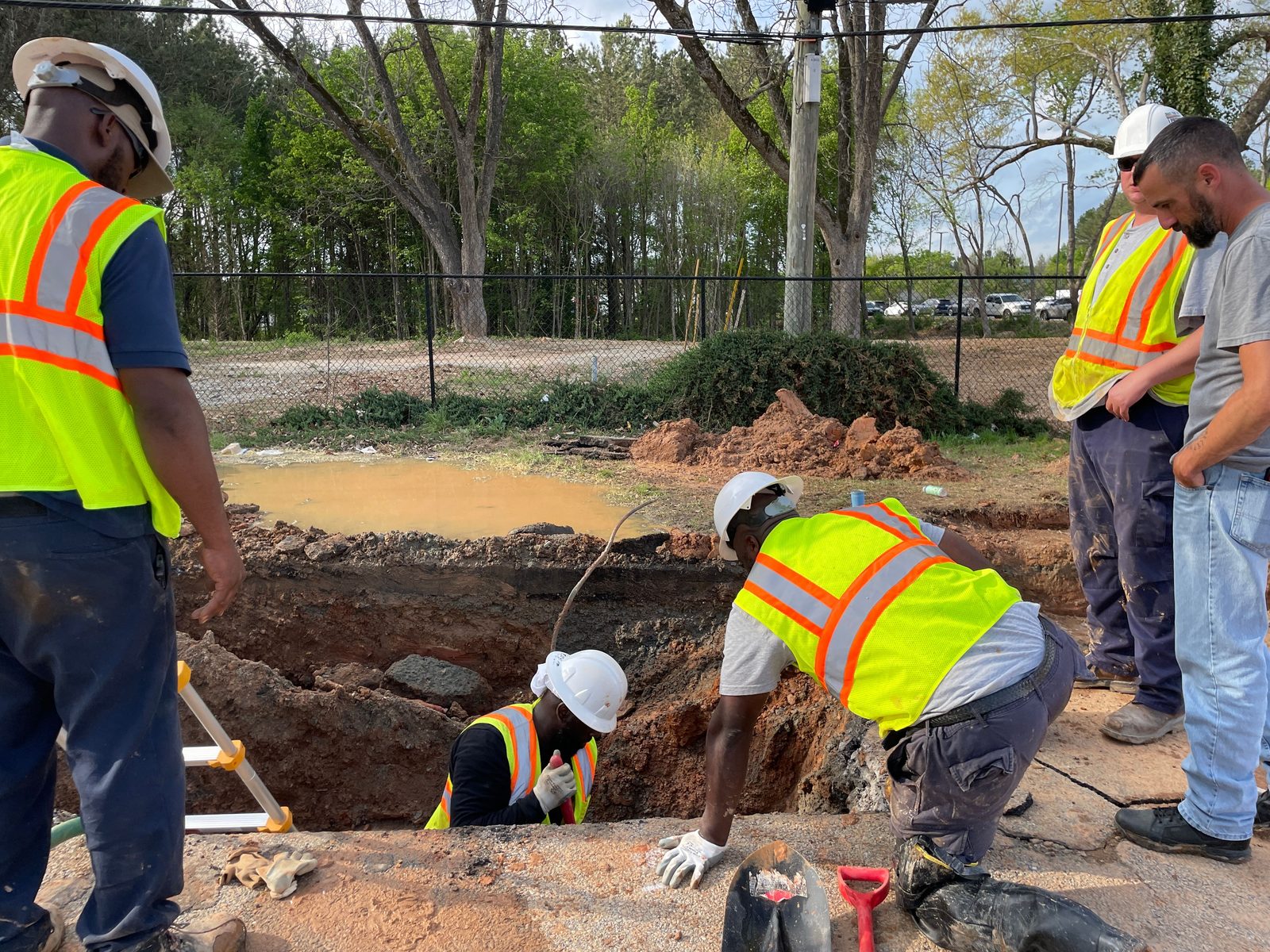
Regular drainage desilting and evacuation using specialized vacuum trucks prevents blockages before they cause flooding.
Systematic repair and upgrade of drainage systems to restore full capacity and ensure long-term functionality.
Water-level sensors and remote monitoring systems provide real-time data for early warning and informed decision-making.
Year-round inspection, maintenance, and reporting ensures drainage systems remain functional in all seasons.
Partner with FlowGuard Solutions to implement sustainable, data-driven flood management infrastructure.
Start a ConversationRecurring seasonal floods disrupt lives, damage property, and threaten public health across Agungi.
Flooding in Agungi is not simply a rainfall problem. It's the result of compounding infrastructure challenges that have accumulated over time. Without systematic intervention, these issues intensify with each rainy season.
Blocked drainage channels filled with silt and waste prevent proper water flow. Inadequate maintenance means small problems become major failures. Rapid urbanization places unprecedented demands on aging infrastructure. The result is predictable: when it rains, the water has nowhere to go.
Years of accumulated silt, waste, and debris have severely reduced drainage capacity across the area.
Lack of regular inspection and cleaning allows minor issues to escalate into major infrastructure failures.
Increased development without corresponding drainage upgrades overwhelms existing infrastructure.
Improper waste disposal clogs drainage channels and compounds flooding severity.
Flooding affects every aspect of community life, from economic activity to public health and safety.
Homes are flooded repeatedly, destroying property, displacing families, and creating unsafe living conditions.
Flooded roads become impassable, isolating communities and disrupting daily commutes and business operations.
Commercial activity halts during floods, leading to revenue loss and long-term economic decline.
Stagnant floodwater creates breeding grounds for disease, posing serious public health threats.
Four interconnected phases designed to eliminate flooding at its source and maintain resilience over time.
The immediate priority is restoring drainage capacity by removing years of accumulated silt, waste, and debris. Using specialized vacuum trucks and evacuation equipment, we systematically clear blocked channels to allow proper water flow. This phase provides rapid relief and establishes baseline conditions for long-term management.
With drainage channels cleared, we focus on structural rehabilitation and implementing systems to prevent future silting. This includes repairing damaged infrastructure, upgrading critical sections, and establishing protocols to manage silt accumulation proactively. The goal is to restore full capacity and extend infrastructure lifespan.
Technology transforms reactive flood management into proactive resilience. We deploy water-level sensors at strategic locations throughout the drainage network, connected to a remote monitoring platform. This provides real-time visibility into system performance, enables early warning before floods occur, and generates data to inform long-term planning.
Flood resilience requires ongoing commitment, not one-time intervention. Our year-round maintenance program ensures drainage systems remain functional through regular inspections, preventive cleaning, and rapid response to emerging issues. Detailed reporting provides transparency and accountability to all stakeholders.
Remote monitoring and data analytics transform how we understand and manage drainage systems.
Precision sensors installed at critical points throughout the drainage network continuously measure water levels and flow rates. This provides real-time visibility into system performance under all conditions.
A centralized platform aggregates data from all sensors, providing stakeholders with a complete view of drainage system health. Accessible from anywhere, the dashboard enables informed decision-making.
Automated alerts notify stakeholders when water levels approach critical thresholds, enabling proactive response before flooding occurs. This shifts the paradigm from reaction to prevention.
Historical data reveals patterns in drainage performance, identifies emerging issues, and informs long-term infrastructure planning. Evidence-based decision-making replaces guesswork.
Smart monitoring fundamentally changes how drainage infrastructure is managed, shifting focus from emergency response to prevention.
Data identifies exactly where problems exist, eliminating guesswork and enabling efficient resource deployment.
Preventive maintenance based on actual conditions costs far less than emergency repairs after flooding.
Stakeholders receive objective performance data, ensuring accountability and building trust.
Historical trends inform infrastructure investments and climate adaptation strategies.
Flood prevention requires continuous operations, not seasonal responses.
Our operational approach ensures drainage systems remain functional throughout the year, with intensified preparedness before rainy seasons and rapid response capability when needed.
Regular inspection and preventive maintenance cycles continue regardless of season. This prevents the accumulation of problems that lead to flooding. Scheduled interventions are planned based on sensor data and historical patterns, ensuring resources are deployed where they're most needed.
As rainy seasons approach, operations intensify to ensure all drainage systems are at full capacity. Pre-season inspections identify and address potential issues before they become critical. Emergency response teams are positioned for rapid deployment if needed.
All operational decisions are supported by data from monitoring systems. This eliminates guesswork and ensures interventions are targeted, efficient, and effective. Performance metrics track outcomes and enable continuous improvement.
All waste and debris removed from drainage systems is disposed of responsibly according to environmental standards. Our operations minimize ecological impact while improving urban infrastructure. Sustainability is integrated into every aspect of our work.
Success requires more than good intentions. Our operational framework ensures consistent, measurable performance.
Regular inspection cycles following standardized protocols ensure no critical areas are overlooked. Every inspection is documented and tracked.
When monitoring systems detect emerging issues, response teams are deployed immediately to prevent escalation. Speed prevents damage.
Stakeholders receive regular reports detailing system status, maintenance activities, and outcomes. Transparency builds trust and accountability.
We analyze performance data to identify opportunities for improvement. Operations evolve based on real-world results, not assumptions.
Effective flood management requires coordination across government, communities, and private sector partners.
The Agungi Flood Resilience Initiative succeeds through partnership with multiple stakeholders, each playing a critical role in long-term sustainability.
We collaborate with local and state government to align infrastructure investments with broader urban planning goals. Our work supports policy objectives for climate resilience and sustainable development.
International development organizations and financial institutions recognize infrastructure resilience as essential for sustainable urban growth. We welcome partnerships that enable scale and long-term impact.
Infrastructure investments generate measurable social and economic returns. We engage private sector partners interested in supporting resilient, sustainable urban development.
Local communities are the ultimate beneficiaries of flood resilience. We engage residents, community leaders, and civil society organizations to ensure solutions meet real needs.
Flooding disrupts commerce and undermines economic stability. We work with businesses whose operations depend on reliable infrastructure and who benefit from flood risk reduction.
Innovation in flood management requires collaboration with technology providers, engineering firms, and research institutions committed to advancing infrastructure resilience.
Collaboration with Stratum Infrastructure Group and FlowGuard Solutions provides access to proven expertise, operational capacity, and a track record of delivering results.
Our integrated methodology addresses flood risk comprehensively, combining immediate relief with long-term resilience.
We have the equipment, expertise, and systems to deliver large-scale infrastructure projects efficiently.
Data-driven operations enable transparent reporting and objective assessment of outcomes.
Our approach is designed for long-term sustainability, not short-term fixes.
FlowGuard Solutions and Stratum Infrastructure Group bring deep expertise in urban infrastructure resilience and flood management.
FlowGuard Solutions is the operating subsidiary of Stratum Infrastructure Group, dedicated to implementing flood management and drainage infrastructure projects across Nigeria and beyond.
Stratum Infrastructure Group is focused on developing and implementing resilient infrastructure solutions across urban environments. We invest in projects that address critical infrastructure challenges, combining technical expertise with long-term operational commitment. Our approach prioritizes sustainability, measurable impact, and stakeholder collaboration. Infrastructure resilience is essential for economic development, public safety, and climate adaptation.
FlowGuard Solutions is the operating subsidiary responsible for implementing flood management and drainage infrastructure projects. We specialize in comprehensive drainage system management, combining preventive maintenance, modern monitoring technology, and year-round operations. Our team brings expertise in urban water management, infrastructure rehabilitation, and sustainable operations. FlowGuard Solutions operates with a commitment to technical excellence, environmental responsibility, and transparent reporting.
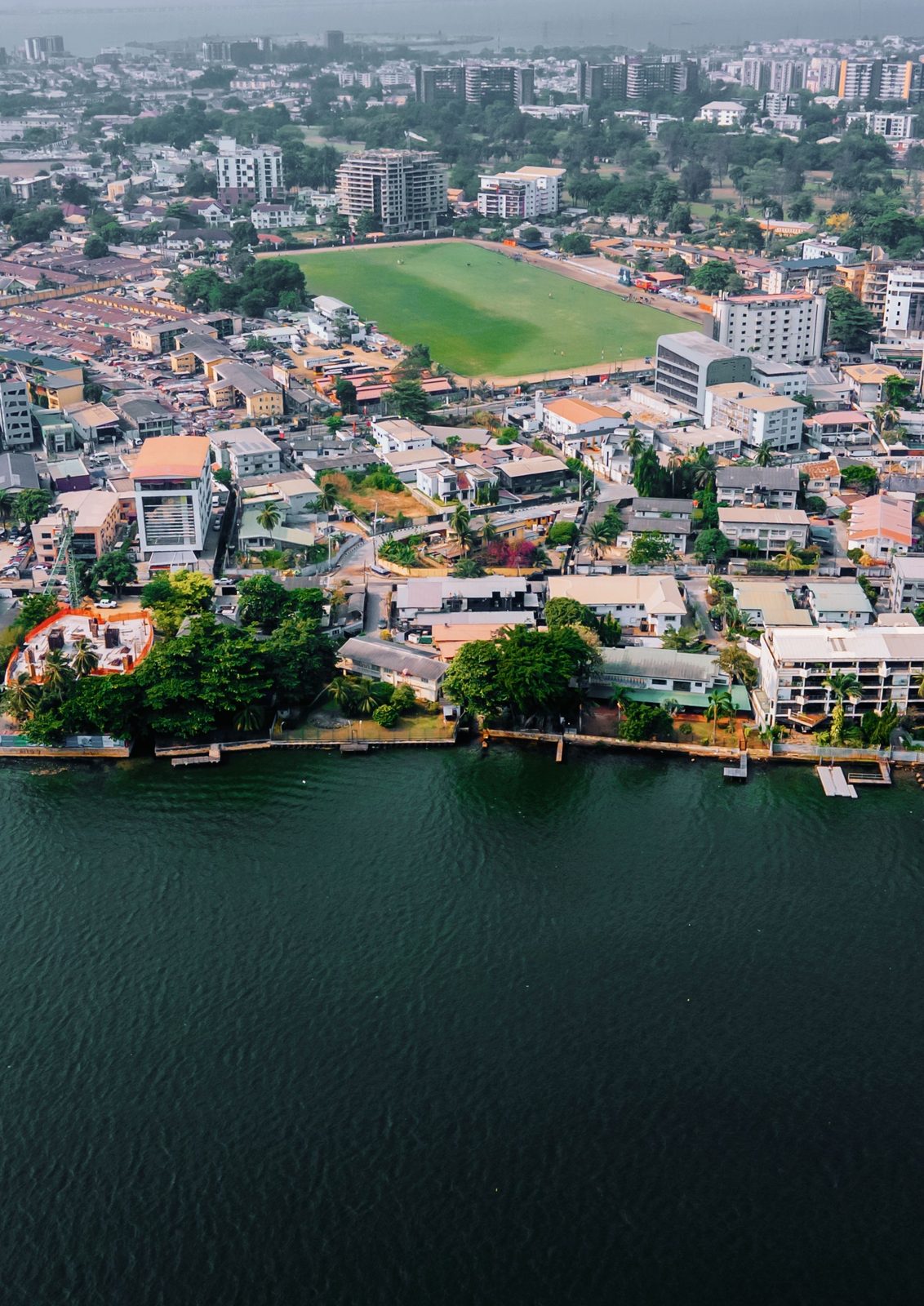
One of our flagship projects, the Agungi Flood Resilience Initiative demonstrates FlowGuard Solutions' comprehensive approach to urban flood management. This multi-phase project in Lagos integrates drainage evacuation, infrastructure rehabilitation, smart monitoring systems, and continuous maintenance — delivering measurable flood risk reduction through systematic, data-driven infrastructure management.
Success in infrastructure resilience requires more than good intentions. It requires specialized capabilities, proven systems, and unwavering commitment.
Deep understanding of urban drainage systems, flood dynamics, and infrastructure rehabilitation gained through extensive project experience.
Specialized equipment including vacuum trucks, monitoring systems, and field operations infrastructure to deliver at scale.
Ability to deploy and operate remote monitoring systems that transform data into actionable insights and early warnings.
Proven systems for managing complex, multi-phase infrastructure projects with transparent reporting and stakeholder communication.
Commitment to environmentally responsible operations and long-term infrastructure sustainability, not just short-term fixes.
Collaborative mindset that values stakeholder input, community engagement, and alignment with broader development objectives.
Let's discuss how our proven flood management and drainage infrastructure solutions can protect your community.
Whether you're a government agency, development partner, private investor, or community organization, we welcome the opportunity to discuss how FlowGuard Solutions can address flood and drainage challenges in your area.
Our team is ready to discuss partnership opportunities, provide technical information about our approach, or explore how our integrated flood management systems can be deployed in different communities across Nigeria and beyond.